
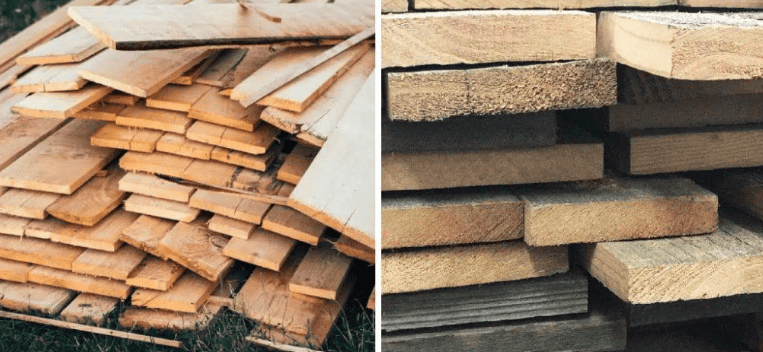
You pick a straight board at the store. It looks good. Clean edges. No bends. A few days later, it looks different. It twists a bit. Maybe cups in the middle. Or bows just enough to be annoying. That is usually when people ask, why does lumber warp?
I run into this question all the time at the store. People think they picked the wrong board. Sometimes they did. Though a lot of the time, the board changed after it left the rack.
And that part catches people off guard.
Contact Us

Key Takeaways
- Why Does Lumber Warp Comes Down To Moisture And Movement
- Wood Movement And Expansion Happens Naturally Over Time
- Improper Storage Leads To Faster Warping
- Kiln Dried Vs Green Lumber Warping Behaves Differently
- Humidity Plays A Big Role In Board Shape
- Simple Habits Help Prevent Most Issues
Why Does Lumber Warp After You Bring It Home?
This is probably the most common version of the question.
Why does lumber warp after purchase?
The short answer is change.
When lumber moves from one environment to another, it reacts.
At the store, the wood sits in a controlled space. Then you bring it home.
Now it deals with:
- Different Temperature
- Different Humidity
- Different Airflow
That shift affects moisture content in lumber.
And once moisture changes, shape follows.
What are the main causes of wood warping?
Causes of wood warping usually come back to one thing. Moisture imbalance.
Wood is not static. It breathes in a way.
It absorbs moisture. Then releases it.
That creates pressure inside the board.
Common causes include:
- uneven drying
• exposure to humidity
• poor storage
Why does wood shrink and warp?
Because one side dries faster than the other.
That imbalance creates movement.
Why wood twists after purchase even if it looked straight
This one frustrates people.
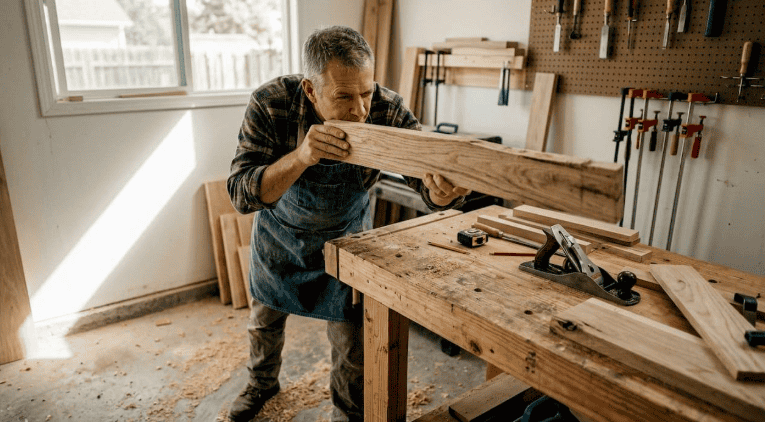
You check the board. It is straight. Then later, it is not.
Why wood twists after purchase happens because internal stress gets released.
The board might have been holding tension.
Once cut or moved, that tension shifts.
Then you see:
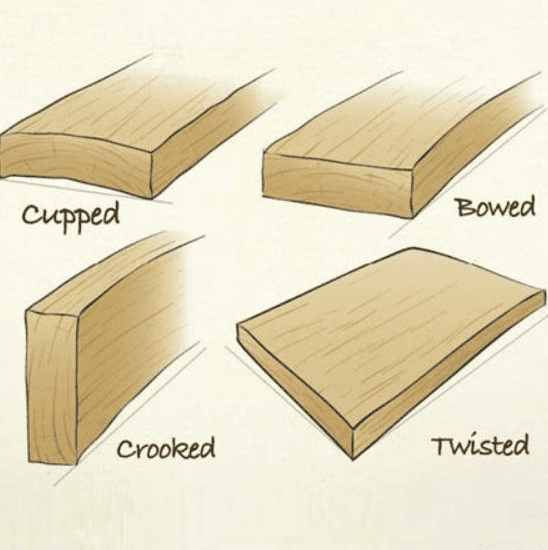
- twisting
• bending
• slight warping
It was already inside the wood. You just did not see it yet.
Contact Us
What causes lumber cupping and bowing?
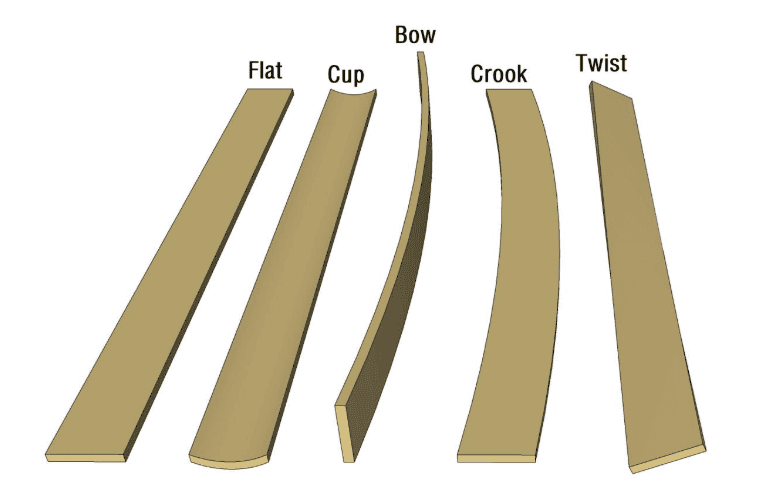
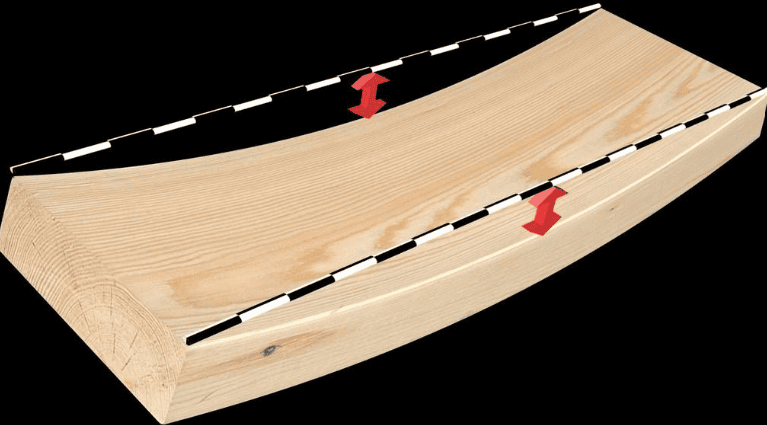
Lumber cupping causes happen when one face of the board dries faster.
The board curves across its width.
Wood bowing problems are different.
Bowing happens along the length.
Both are linked to moisture and grain direction.
Wood grain direction and warping matter more than people think.
Boards cut near the outer part of a log tend to cup more.
That is just how the grain is arranged.
How does humidity affect lumber over time?
Effects of humidity on wood show up slowly.
You might not notice it right away.
Wood warping in humid conditions happens when moisture enters the board unevenly.
One side expands. The other stays stable.
That difference leads to movement.
I have seen boards stored in garages warp faster than ones kept indoors.
Same wood. Different conditions.
What is the difference between kiln dried and green lumber?
Kiln dried vs green lumber warping behaves differently.
Kiln dried lumber:
- has lower moisture content
• is more stable at first
Green lumber:
- holds more moisture
• changes shape as it dries
Though even kiln dried boards can warp.
Once they leave controlled conditions, they start adjusting again.
That is normal.
Why do boards twist over time even after installation?
This is another version of why does lumber warp.
Why boards twist over time often comes from uneven exposure.
For example:
- one side faces sunlight
• the other side stays shaded
That creates temperature and moisture differences.
Over time, the board reacts.
Wood warping after installation is common in outdoor projects.
Especially decks and fences.
Contact Us
How can you prevent lumber warping?
How to prevent lumber warping starts with storage.
You should:
- store boards flat
• keep them off the ground
• allow airflow between pieces
How to store lumber properly makes a big difference.
You can also:
- keep lumber in a stable environment
• avoid direct moisture exposure
• use boards soon after purchase
Preventing wood cupping and bowing is about reducing imbalance.
You are not stopping movement. You are controlling it.
Can you fix warped wood boards?
Sometimes.
How to fix warped wood boards depends on how severe the issue is.
Small warps:
- may flatten during installation
• can be adjusted with fasteners
Larger warps:
- may need cutting
• sometimes need replacement
I have had customers try to force a twisted board into place.
It rarely works well.
Better to replace it early than fight it later.
Why does plywood warp differently?
Why does plywood warp is a bit different.
Plywood is layered. That helps stability.
Though it can still warp.
Usually from:
- moisture exposure
• improper storage
• uneven support
It warps less than solid wood. Though not zero.
That surprises some people.
What are common lumber defects that lead to warping?
Lumber defects and warping causes often go together.
Look for:
- knots
• uneven grain
• visible stress lines
These do not always cause problems.
Though they increase risk.
I tend to tell people, if it looks questionable in the rack, it will not improve later.
Contact Us
How does Tires2go relate to lumber and materials advice?
At Tires2go, we deal with materials in a different way. Though the idea overlaps.
Whether it is rubber or wood, materials respond to stress, heat, and environment.
You cannot ignore those factors.
Understanding how things change over time helps you make better choices.
That applies to lumber as much as anything else.
FAQs
Why does lumber warp after purchase?
It changes due to moisture and environmental differences.
Can you prevent wood from warping?
You can reduce it by storing lumber properly and controlling moisture.
Is kiln dried lumber better?
It is more stable at first, though it can still warp.
What causes wood to twist?
Internal stress and uneven drying lead to twisting.
Can warped wood be fixed?
Minor warping can be adjusted, though severe cases often need replacement.
Why does plywood warp?
Moisture and poor support can cause plywood to warp.
Why does lumber warp sounds like a simple question.
Then you start working with wood. You see how often it happens.
And maybe that is the point. Wood is not perfect. It moves. It reacts.
Once you understand that, things start to make more sense.
Contact Us