
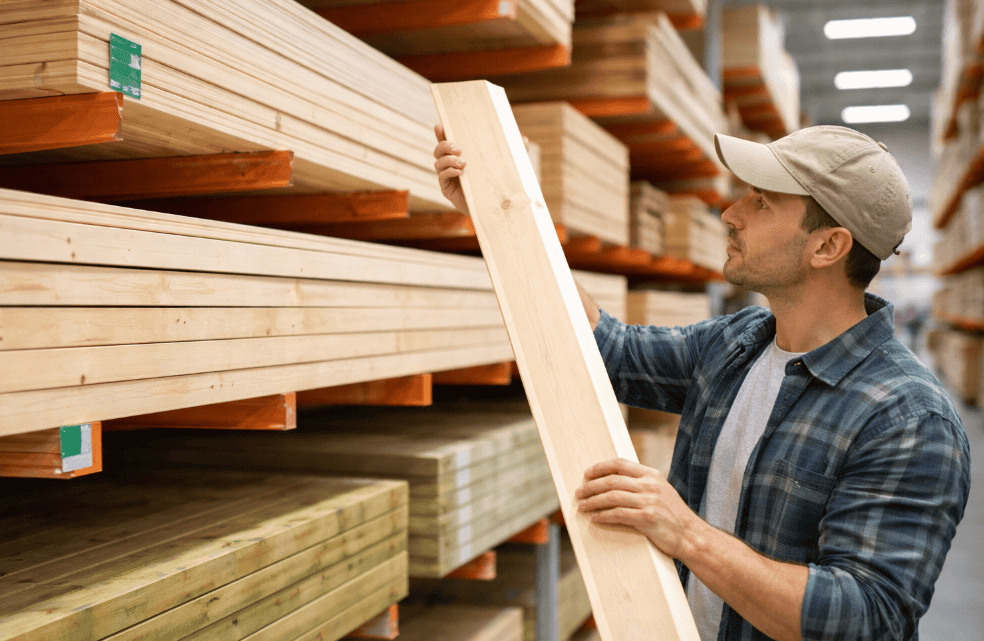
Starting a build sounds exciting at first. You picture the finished shelf, fence, workbench, or little backyard project, and it all feels pretty clear in your head. Then you walk into a lumber store and suddenly everything looks the same, but also not the same at all. That is where picking the right lumber for your project can get a little confusing. At Anawalt Lumber, a lot of people come in with that exact question, and honestly, it is a smart one to ask before buying anything.
The truth is, wood is not just wood. Some boards are better for framing. Some are better for furniture. Some can handle weather, and some really should stay indoors. If you want the right lumber for your project, it helps to slow down and think about where the wood is going, what it needs to hold, and how long you want it to last.
Contact Us
Why does choosing lumber for a project matter so much?
It matters because the wrong board can create problems fast. A shelf can sag. A fence can rot early. A tabletop can twist or crack. And sometimes the mistake does not show up right away, which is maybe the annoying part. You think everything is fine, then a few months later the wood starts moving in ways you did not expect.
A good start is to think about these questions:
- Will the project stay indoors or outdoors?
- Does it need to hold weight?
- Do you want it to look decorative or just functional?
- Will it be painted, stained, or left natural?
- Are you trying to save money, or are you building something long-term?
A lot of how to choose the right lumber comes down to purpose. That sounds basic, I know, but it really is the first step. The right lumber for your project depends on what the project actually needs, not just what looks good stacked in the aisle.
What lumber should I use for indoor or outdoor work?
This is one of the biggest questions in any lumber buying guide, and it makes sense. Indoor and outdoor projects usually need different wood.
For indoor builds, people often use:
- pine
- poplar
- oak
- birch plywood
- maple
These are often considered the best lumber for indoor projects because they stay in a more controlled environment. They do not have to fight off rain, sun, and moisture every day.
For outdoor work, common choices include:
- pressure-treated lumber
- cedar
- redwood
- exterior-rated plywood
When you are trying to choose the right lumber for your project, outdoor use changes everything. Moisture resistance matters a lot more. Rot resistance matters too. The right lumber for your project for a garden bed is probably not the same wood you would use for a bookcase or indoor bench.
Hardwood vs softwood for projects: what is the difference?
This part trips people up because the names sound like they should describe how hard the wood feels. But that is not always how it works.
In simple terms:
- Hardwoods usually come from deciduous trees like oak, maple, and walnut.
- Softwoods usually come from conifer trees like pine, fir, and cedar.
Hardwoods are often chosen for furniture, cabinets, and finish work because they tend to look nicer and wear well over time. Softwoods are common in framing, general construction, and many DIY projects because they are easier to cut and usually cost less.
When people compare hardwood vs softwood for projects, the better choice depends on the job. A simple garage shelf might do just fine with pine. A dining table, maybe not. So yes, the right lumber for your project also depends on how strong, smooth, or polished you want the finished result to be.
How do lumber sizes explained help you choose better?
Lumber sizes can be weird at first. A board labeled 2×4 is not actually 2 inches by 4 inches when you measure it. That surprises a lot of people. It is normal. The listed size is the nominal size, while the actual size is smaller after the board has been planed and finished.
A few common examples:
- 2×4 is usually about 1.5 x 3.5 inches
- 2×6 is usually about 1.5 x 5.5 inches
- 1×6 is usually about 0.75 x 5.5 inches
This part of lumber sizes explained matters because your measurements need to match real life, not just the label. If you are building anything with tight dimensions, this can make a big difference. Knowing the real size helps you match the right lumber for your project without finding out too late that your cuts are off.
Contact Us
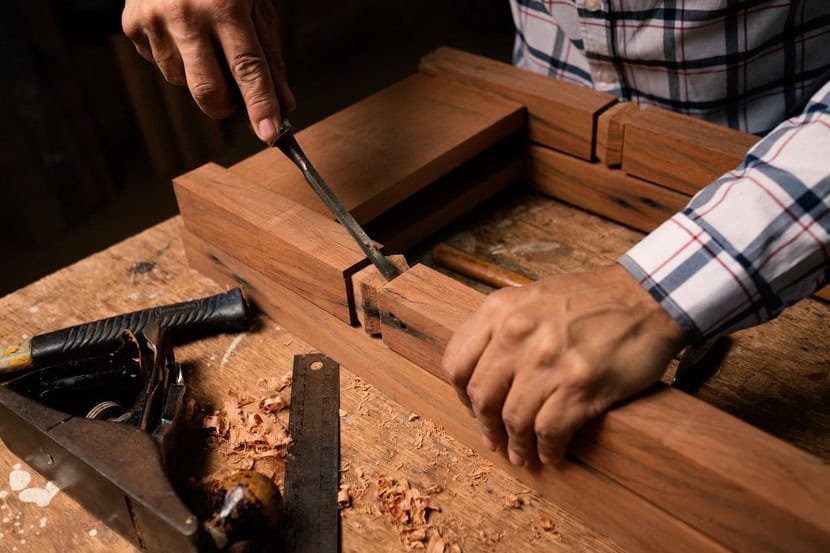
How do you pick quality lumber at the store?
This is where things get more hands-on. Learning how to pick quality lumber is not complicated, but it does take a careful eye.
When looking at boards, check for:
- warping
- twisting
- bowing
- large cracks
- loose knots
- split ends
- signs of moisture damage
A board can look fine from one angle and not so fine from another. I usually think it helps to lift it up and sight down the length of it, almost like you are looking down a hallway. That gives you a better sense of whether it is straight.
At the store, picking the right lumber for your project means not grabbing the first board you see just because it is on top. It is worth taking a few extra minutes. The best lumber for your project is often the one that saves you frustration later, even if it means a little more checking upfront.
Pressure treated vs untreated lumber: which one should you buy?
This depends mostly on exposure to moisture and insects.
Pressure treated vs untreated lumber is a very common choice for decks, fences, posts, and outdoor framing. Pressure-treated wood has been chemically treated to resist decay and insect damage. Untreated wood has not.
Pressure-treated lumber is usually better for:
- deck framing
- fence posts
- outdoor steps
- raised structures exposed to weather
Untreated lumber is usually better for:
- indoor framing
- furniture
- trim
- decorative interior projects
For many outdoor jobs, the right lumber for your project may be pressure-treated, especially if the wood will touch the ground or stay exposed to the elements. For indoor furniture or finish work, untreated wood often makes more sense because it is easier to work with and nicer to finish.
What do wood grades explained actually mean?
Wood grades help tell you how clean or strong a board is. Some boards are more about appearance. Others are more about structure.
This is a simple way to think about wood grades explained:
- Higher grades usually have fewer knots and a cleaner look
- Lower grades may have more defects but still work fine for framing or hidden parts
- Structural grades are meant for strength
- Appearance grades are meant to be seen
If you are building a workbench for the garage, a few knots may not matter much. If you are building floating shelves for the living room, they probably matter more. Understanding grades can bring you closer to the right lumber for your project without spending extra money where you do not need to.
How can you avoid warped lumber?
Knowing how to avoid warped lumber can save a project before it even begins. Warped boards are harder to cut, harder to align, and harder to make look clean.
A few tips:
- choose boards that look straight from end to end
- avoid boards with deep cracks or obvious bends
- store wood flat when you get home
- keep lumber dry and off damp ground
- let wood acclimate if it is moving into a very different environment
This matters for lumber for home improvement projects because even a simple project can turn frustrating fast if the wood is bent or twisted. A straight board really does matter if you want the right lumber for your project.
Final thoughts
Choosing wood does not have to feel overwhelming. Once you know the basics, it gets easier. Think about where the project will live, how much strength it needs, and whether appearance matters. Then look at board type, size, grade, and straightness before you buy.
At Anawalt Lumber, helping people find the right lumber for your project is part of what makes a lumber and hardware store useful in the first place. Sometimes you need framing lumber. Sometimes you need a nicer hardwood. Sometimes you just need someone to point out what will actually work. And that is okay. At the end of the day, the right lumber for your project is the one that fits your build, your budget, and the way you want the finished piece to last.
Contact Us